 blog
Which Heat Pump Works Best in Cold Climates?
Last Updated: October 26, 2026
Quick Summary
A heat pump cold climate system extracts warmth from outdoor air and moves it indoors even when temperatures drop significantly, using inverter-driven compressors and specialized refrigerants to maintain heating output in extreme cold. Cold-climate models operate effectively down to 0°F to -13°F, while standard heat pumps typically shut down below 0°F.
- Cold-climate heat pumps lose 40-50% capacity at 17°F and require proper sizing to match your home's peak heating load at design temperature.
- Look for HSPF2 ratings of 10 or higher and variable-speed scroll compressors with inverter drives for best cold-weather performance.
- Ductless mini-splits eliminate 15-30% duct losses, making them ideal for older homes without existing ductwork in cold climates.
- Defrost cycles last 5-15 minutes and modern systems use demand-defrost logic to activate only when ice actually forms, not on fixed timers.
- Annual maintenance before winter is recommended to ensure consistent performance during the coldest months.
Table of Contents
- What Makes a Heat Pump Effective in Cold Climates
- Best Heat Pump for Cold Weather: Key Features to Compare
- Cold-Climate Heat Pump Efficiency: How Performance Changes with Temperature
- Heat Pump Sizing for Cold Climates: Getting the Right Capacity
- Heat Pump Rebates in New York: What's Available and How to Claim Them
- Ductless Mini-Split vs. Ducted Systems for Cold Climates
- Schedule Your Cold-Climate Heat Pump Consultation
- Frequently Asked Questions
What Makes a Heat Pump Effective in Cold Climates
A heat pump cold climate system works by extracting warmth from outdoor air and moving it indoors, even when temperatures drop significantly. This process remains effective in cold weather because air retains heat energy at any temperature above absolute zero. The key difference between standard heat pumps and cold-climate models lies in their compressor design, refrigerant chemistry, and defrost cycle management.
Cold-climate heat pumps use inverter-driven compressors that modulate their speed based on heating demand. This variable-speed operation maintains consistent output as outdoor temperatures fall, whereas fixed-speed compressors lose efficiency in extreme cold. The refrigerant formulations in these systems are engineered to remain fluid and cycle properly even when the outdoor unit operates below freezing.
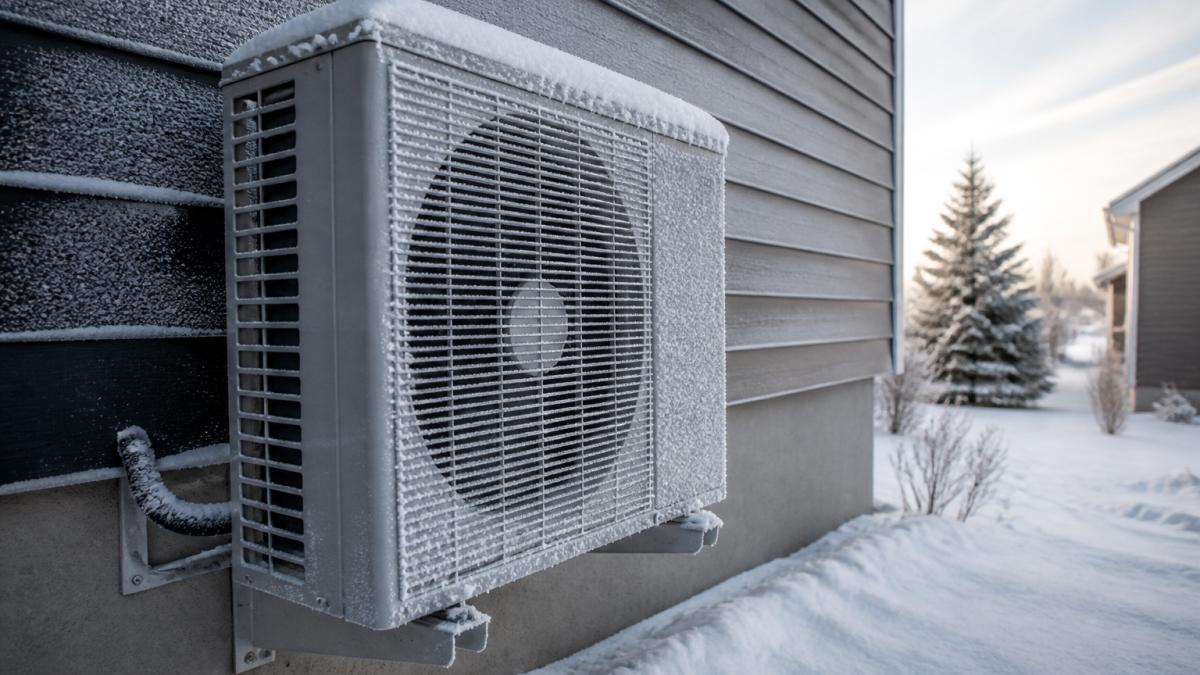
The defrost cycle is particularly important. When ice forms on the outdoor unit, the system temporarily reverses to melt it. A well-designed defrost cycle minimizes energy waste during this process. Poor defrost management can reduce heating output by 20-30% during winter operation.
Best Heat Pump for Cold Weather: Key Features to Compare
When evaluating a heat pump cold climate system, focus on these measurable specifications rather than marketing claims. Heating capacity at 47°F outdoor temperature tells you how much heat the system delivers under typical winter conditions. More valuable still is capacity data at 17°F or lower, this reveals real-world performance during the coldest stretches.
Look for the Heating Seasonal Performance Factor (HSPF2) rating. This metric accounts for seasonal variations and defrost cycles, giving a more accurate picture than laboratory ratings alone. Systems rated HSPF2 10 or higher are considered high-efficiency for cold climates. Minimum operating temperature is another critical spec, many standard heat pumps shut down below 0°F, while cold-climate models continue operating to -13°F or lower.
The compressor type matters significantly. Scroll compressors with variable-speed inverter drives outperform rotary or reciprocating designs in low temperatures. Ask whether the system uses a two-stage or modulating compressor. Single-stage compressors cycle on and off, wasting energy during startup. Variable-capacity systems ramp up and down smoothly, maintaining efficiency across a wider temperature range.
Backup heating strategy is essential in regions where heat pumps are the primary system. Supplemental electric heat or a gas furnace kicks in when outdoor temperatures drop below the heat pump's effective operating range. Some systems integrate backup heat seamlessly; others cycle between sources inefficiently.
Cold-Climate Heat Pump Efficiency: How Performance Changes with Temperature
Heat pump efficiency declines as outdoor temperature drops, this is physics, not a design flaw. At 47°F, a high-efficiency cold-climate model delivers its rated HSPF2 performance. At 32°F, capacity and efficiency both drop roughly 20-30%. At 17°F, you're looking at 40-50% capacity loss. Below 0°F, many systems lose another 10-20% of their remaining output.
This degradation is why sizing matters. An undersized system struggles to meet heating demand once winter temperatures arrive. An oversized system runs inefficiently during milder periods. The goal is to match the system's cold-temperature capacity to your home's peak heating load at the design temperature for your region, typically 0°F to -10°F in the Northeast.
Backup heating activates when the heat pump alone cannot meet demand. Electric resistance heating or a gas furnace supplements the heat pump output. The transition point varies by system design. Some units blend heat pump and backup heat seamlessly; others switch abruptly. Seamless blending reduces the temperature swings homeowners experience and improves overall efficiency.
Defrost cycles consume energy and temporarily reduce heating output. During defrost, the system reverses to shed ice from the outdoor coil. This can last 5-15 minutes depending on conditions. Modern systems use demand-defrost logic, they initiate defrost only when ice actually forms, not on a fixed timer. This reduces unnecessary defrost cycles and saves energy during dry cold spells when ice doesn't accumulate.
Heat Pump Sizing for Cold Climates: Getting the Right Capacity
Proper sizing requires calculating your home's heating load at the design temperature. This isn't a simple formula, it depends on insulation levels, window area, air leakage, and local climate data. A Manual J calculation performed by a qualified technician accounts for all these variables and produces an accurate heating load in BTU per hour.
Once you know your heating load, select a heat pump with cold-temperature capacity that meets or slightly exceeds that load at the design temperature. Oversizing by more than 15-20% reduces efficiency during milder weather when the system cycles on and off frequently. Undersizing forces backup heating to run constantly during the coldest weeks, negating the efficiency benefits of the heat pump.
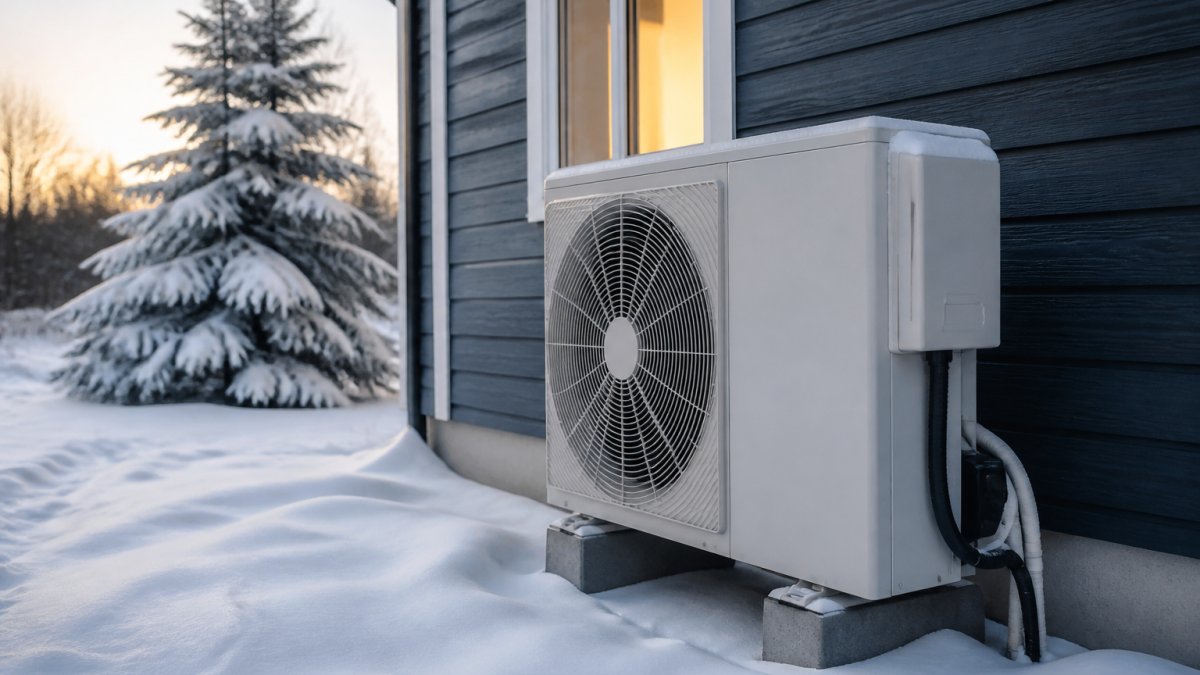
The location of the outdoor unit affects performance. Units installed in areas with poor air circulation, blocked by snow, ice, or dense vegetation, experience reduced airflow and lower capacity. Install the outdoor unit where it receives good airflow and where snow accumulation won't block the intake. Clearance of at least 2-3 feet on all sides is recommended, though specific manufacturer guidance should be followed.
Indoor unit placement also influences comfort and efficiency. Wall-mounted ductless units should be positioned to distribute air evenly throughout the space without creating dead zones. Ducted systems require properly sized and insulated ductwork to deliver conditioned air efficiently. Poor duct design can waste 20-30% of the system's output through leakage and friction losses.
Heat Pump Rebates in New York: What's Available and How to Claim Them
BB O CONSTRUCTION CORP & HVAC guides homeowners through available energy efficiency incentives, including local utility rebates and state clean energy programs.
BB O CONSTRUCTION CORP & HVAC guides homeowners through available federal tax credits.
New York State Energy Research and Development Authority clean energy programs
Financing options may be available, subject to qualification. BB O CONSTRUCTION CORP & HVAC is not a bank.
Ductless Mini-Split vs. Ducted Systems for Cold Climates
Ductless mini-split systems mount an indoor unit on the wall and connect to an outdoor compressor via refrigerant lines. Learn how to choose a ductless mini split for your home to determine if this system type matches your needs. No ductwork is required, making them ideal for homes without existing ducts or where duct installation would be invasive. Mini-splits deliver conditioned air directly into the room, eliminating duct losses entirely. In cold climates, this direct delivery is a significant advantage, every BTU produced reaches the living space.
Ducted systems distribute air through a network of insulated ducts connected to a central indoor unit. Ducted systems heat larger areas with a single outdoor unit and offer more discreet indoor installation since the unit is typically located in a basement or attic. However, ducted systems lose 15-30% of their output through duct leakage and friction if the ducts aren't properly sealed and insulated. In cold climates, duct losses reduce winter efficiency noticeably.
How to Choose a Ductless Mini Split for Your Home
Mini-splits excel in older homes where ductwork doesn't exist or where renovating to add ducts would be prohibitively expensive. They also work well for zone heating, you can install multiple indoor units on a single outdoor unit, allowing different rooms to maintain different temperatures. This flexibility reduces energy waste in homes where some spaces are used more than others.
Ducted systems make sense for homes with existing ductwork in good condition. If your ducts are sealed, insulated, and properly sized, a ducted heat pump integrates seamlessly into your existing system. Ducted systems also distribute air more evenly across larger homes, preventing hot and cold spots that sometimes occur with mini-splits.
The choice between mini-split and ducted depends on your home's layout, existing infrastructure, and heating needs.
Schedule Your Cold-Climate Heat Pump Consultation
Choosing the right heat pump for cold climates requires understanding your home's heating load, local climate conditions, available rebates, and your budget. A professional assessment identifies which system type, ductless or ducted, fits your home best and ensures proper sizing for winter performance.
BB O CONSTRUCTION CORP & HVAC offers a free estimate and guides homeowners through available energy efficiency incentives, including local utility rebates and state clean energy programs.
Contact us today for a free estimate.
Frequently Asked Questions
What outdoor temperature can a cold-climate heat pump operate at? Most cold-climate heat pumps operate effectively down to 0°F to -13°F. Below those thresholds, supplemental backup heating activates. Some premium models continue operating at -22°F or lower, though capacity becomes minimal.
How much can I save with a heat pump in a cold climate? Savings depend on your current heating system and local electricity rates. The exact amount varies by home size, insulation, and climate zone.
Do I need a new outdoor unit if I already have air conditioning?
Are ductless mini-splits noisy?
What rebates am I eligible for? Eligibility depends on your location, income, home age, and the system's efficiency rating. 7 Heat Pump Rebates Long Island Homeowners Can Claim covers specific programs available in your area. BB O CONSTRUCTION CORP & HVAC reviews your situation during the consultation to identify all available incentives.
Can I finance a heat pump installation? Financing may be available, subject to qualification. Ask about current options.
How often does a heat pump need maintenance in cold climates? Annual maintenance before winter is recommended.
Will a heat pump work in my older home without ductwork? Ductless mini-split systems require no existing ductwork. They're an option for older homes without ductwork.
| Feature | Ductless Mini-Split | Ducted System |
|---|---|---|
| Installation | No ductwork required | Uses existing or new ducts |
| Efficiency | No duct losses (100% delivery) | 15-30% duct losses possible |
| Zone control | Multiple indoor units on one outdoor unit | Single zone or damper-controlled zones |
| Upfront cost | Generally lower | Higher if new ducts required |
| Aesthetics | Visible wall-mounted unit | Hidden in walls/attic |
| Best for | Older homes, room-by-room heating | Homes with existing ductwork |
Frequently Asked Questions
Do heat pumps work in cold climates?
Yes. Modern cold-climate heat pumps are engineered to extract heat from outdoor air even when temperatures drop well below freezing. They use inverter-driven compressors and advanced defrost cycles to maintain heating capacity in winter. Air-source heat pumps remain effective as long as the outdoor unit can operate; most models function reliably down to -13°F or lower, though efficiency decreases as temperature falls.
What should I look for when buying a best heat pump for cold weather?
Prioritize models with variable-speed compressors, which adjust output to match heating demand and retain capacity at low temperatures. Check the heating capacity (in BTU) at your region's design temperature, not just rated capacity. Look for units with efficient defrost cycles to minimize energy loss during frost buildup. Verify the minimum operating temperature and ask for performance data at 17°F and 0°F to understand real-world winter output.
How do I know if a heat pump is sized correctly for cold climates?
Proper sizing requires calculating your home's heat loss based on insulation, window quality, air sealing, and local winter design temperature. A qualified technician will perform a Manual J calculation to determine the heating capacity (in BTU per hour) your home needs at the coldest expected outdoor temperature. Undersizing leads to reliance on backup heating; oversizing wastes energy and money. Have a professional assess your home's insulation and air leakage before selecting a system.
What heat pump rebates are available in New York?
BB O CONSTRUCTION CORP & HVAC guides homeowners through available energy efficiency incentives, including local utility rebates, state clean energy programs, and federal tax credits. Financing may be available, subject to qualification.